
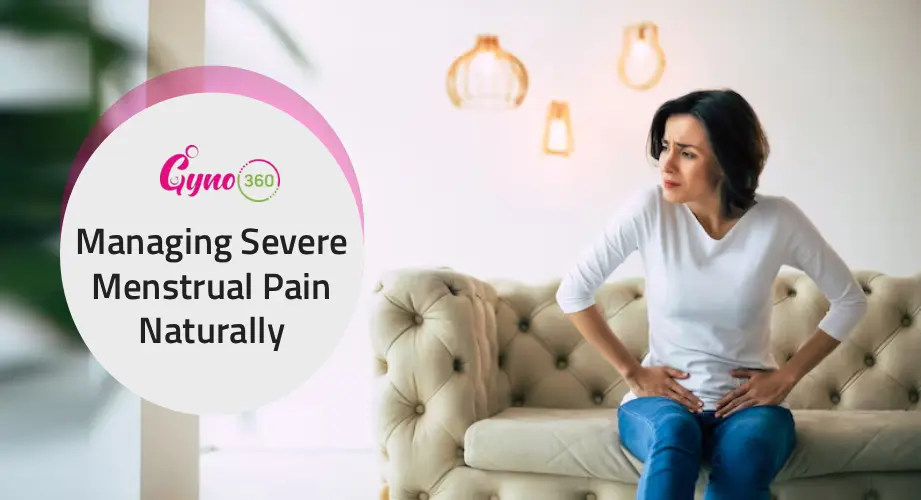
Menstrual pain is a natural problem that afflicts millions of women across the globe. Although some discomfort during the periods is normal, severe menstrual pain may interfere with the normal life of the individual, causing fatigue, irritability, and even missed work days or days at school. Most women tend to resort to over-the-counter pain relievers to help them in the process, yet natural remedies can help them without the side effects that come along with medication. Knowledge of these methods may enable women to cope with pain and achieve personal well-being.
Understanding Severe Menstrual Pain
The contraction of the uterus, which is provoked by prostaglandins, hormone-like chemicals that are used in the processes of inflammation and pain signalers, usually causes severe menstrual pain. While it is always best to see a medical doctor to rule out the potential dangers of these conditions, in the majority of cases, natural treatments are sufficient to relieve the common menstrual cramping.
Diet and Nutrition
Menstrual pain can be directly affected by what you eat. Salmon, flaxseeds, and walnuts are a few foods high in omega-3 that have anti-inflammatory properties. Spinach and kale are two leafy greens high in magnesium that can help relax muscles and ease cramps. Limiting processed foods, caffeinated drinks, and sugary snacks during menstruation can also help prevent the worsening of inflammation and bloating.
Herbal Remedies
There are those herbs that have anti-inflammatory, antispasmodic, and hormone-balancing effects. For example:
- Ginger can decrease inflammation and cramps when taken in the form of a tea or in small portions with food.
- Chamomile is a mild sedative and anti-inflammatory that can relax the uterus and soothe the mind.
- Cinnamon is also believed to increase blood circulation and reduce the severity of pain.
Heat Therapy
To heat the lower abdomen is one of the most effective, though easiest, ways of using natural techniques to relieve menstrual cramps. One can use a heating pad or a hot water bottle, or even a warm bath. To achieve maximum effectiveness, heat should be applied for 15-20 minutes at a time and throughout the day. Heat therapy in combination with relaxation methods can help many women relieve pain.
Exercise and Movement
Menstrual pain can be greatly decreased with soft exercises, although it might sound paradoxical. Walking, yoga, swimming, and stretching are all great activities to help release endorphins, the body’s own natural painkiller that also increases blood flow. Child pose, cat-cow stretch, and seated forward bend are among the yoga poses that target the pelvic area and can relieve cramping as they promote relaxation.
Stress Management and Mindfulness
Stress has a direct impact on hormone levels and may make period pain worse. You can practice mindfulness, deep breathing, or meditation to manage your stress, as well as your perception of pain. Some techniques, like progressive muscle relaxation or guided visualization, can also help you feel in control of the menstrual pain. Rest and sufficient sleep during menstruation is another priority, which would assist the body in managing the pain on its own.
Hydration
Taking enough water can help avoid bloating and assist muscles to work properly, lessening the severity of the cramps. Warm drinks, including herbal tea, do not only help in hydrating the body but also calm down the stomach.
When to Seek Medical Advice
Menstrual pain that is severe, persistent, or worsening can be a sign of such conditions as endometriosis, fibroids, or ovarian cysts. Moreover, unexpected alterations in menstruation, its excessive bleeding, or such complications as fever or strong fatigue are also signs that require a visit to the gynecologist. The complications can be prevented, and the quality of life can be improved through early diagnosis and treatment.
Severe menstrual pain can be addressed by a combination of lifestyle modification, change of diet, herbal treatment, exercise, and stress management interventions to manage the pain. They not only reduce cramps but also improve the overall reproductive health and well-being. Women can live active and pain-free lives during their periods by understanding their bodies and taking natural remedies to manage menstrual discomfort.